
Cart
0
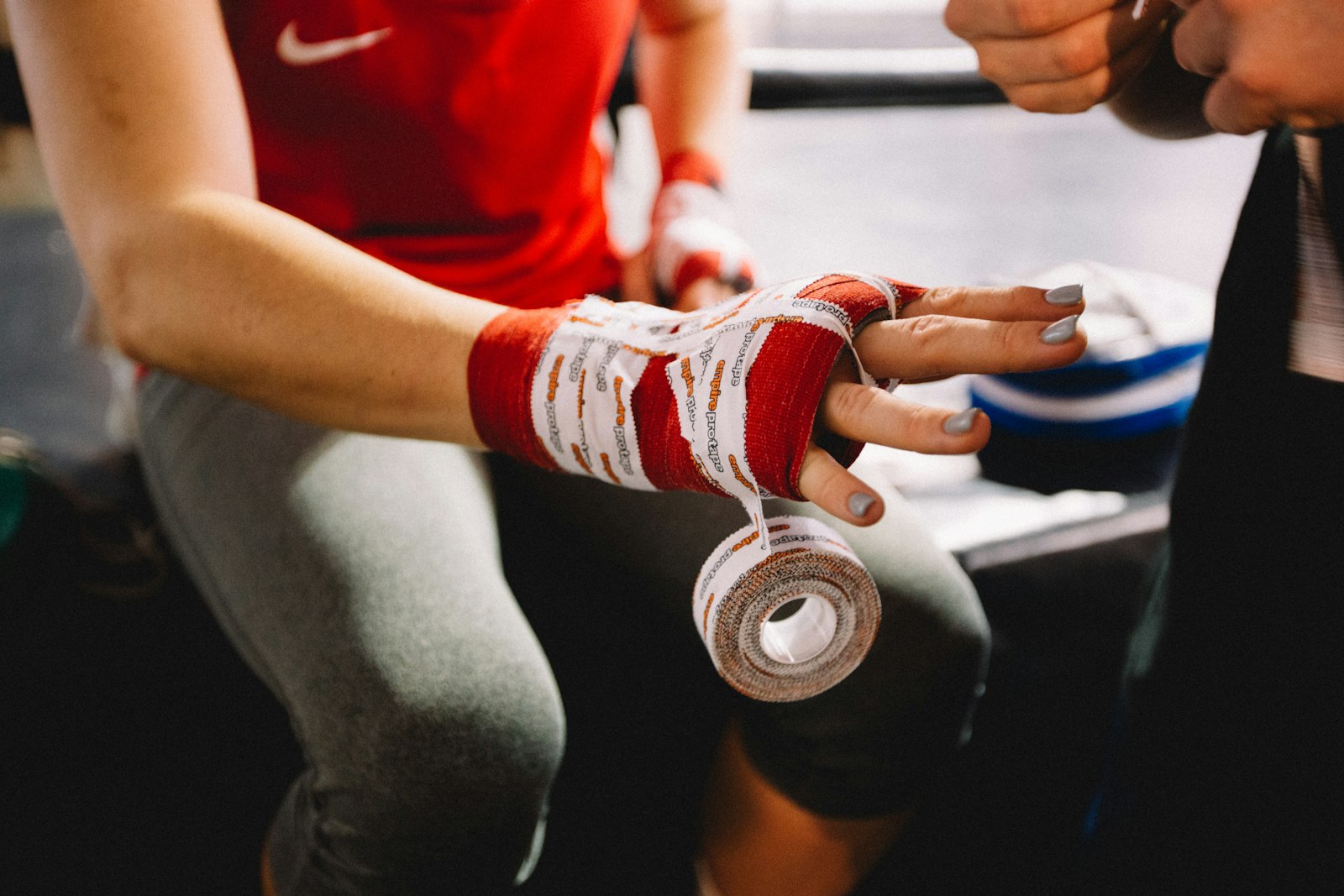
Handwraps are the cheapest piece of kit in your bag and the one most beginners get wrong first — wrapped too loose, they do almost nothing; wrapped too tight, they cut circulation before round two. This guide covers wrap length, material, and an actual wrapping method, plus which wraps in our range are worth buying.

How Long Should Your Handwraps Be?
| Length | Best for |
|---|---|
| 120 in | Smaller hands, kids, or a lighter wrap for pad work |
| 180 in | Standard adult length — the right default for most training |
| 200 in+ | Extra wrist and knuckle coverage for heavy bag work or competition |
Longer isn't automatically better — a 180in wrap correctly applied covers the wrist, knuckles, and thumb with wraps to spare, while an oversized wrap on smaller hands just means extra fabric bunching up rather than adding real protection.
Material: Cotton vs Elastic vs Mexican-Style
| Type | Stretch | Best for |
|---|---|---|
| Semi-elastic (cotton/rubber blend) | Moderate | Most training — the standard all-round choice |
| Full elastic | High | Fast wrapping, more forgiving fit |
| Mexican-style (non-stretch cotton) | None | Fighters who want a firm, unyielding wrap with zero give |
Semi-elastic wraps are the sensible default for most people — enough stretch to get a snug, even fit without needing the tensioning practice that non-stretch Mexican-style wraps demand to apply safely.

How to Wrap Your Hands
- Loop the thumb strap over your thumb and wrap once around the wrist to anchor the wrap.
- Wrap around the wrist two to three times for support, keeping tension even, not crushing tight.
- Bring the wrap diagonally across the back of the hand to the knuckles and wrap across the knuckles two to three times.
- Weave the wrap between each finger once, back across the knuckles, to lock the fingers apart and add knuckle padding.
- Wrap around the thumb once for extra support, especially useful before pad work or bag rounds.
- Return to the wrist and use any remaining length to reinforce the wrist and knuckle areas.
- Secure the velcro end flat against the wrist, checking you can still make a full fist and wiggle your fingers.
Common Wrapping Mistakes
Wrapping too loose. A wrap that shifts or bunches during a round isn't protecting anything — it should feel snug and stay in place through a full glove-up.
Wrapping too tight. Numbness, tingling, or discolouration in the fingers means the wrap is cutting circulation. Unwrap and redo it looser, especially around the wrist.
Skipping between the fingers. This step locks the fingers together and adds knuckle protection; skipping it leaves the knuckle area under-padded.
Reusing a wrap that's lost its stretch. Once elastic wraps stop springing back, they stop providing consistent support — that's the sign it's time to replace them, not just wash them again.
Recommended Handwraps

Editor's Pick
Fairtex Elastic Handwraps
A genuinely stretchy 180in wrap that's easy to apply snugly without the tensioning skill Mexican-style wraps demand. The reliable default we'd point most people toward.
Shop the Fairtex Elastic Handwraps →
Editor's Pick
Fairtex HW2 Hand Wraps – Thai Flag
The budget pick in our range without cutting the wrap length short — still a full 180in, still elastic cotton, just without the premium finish of the HW4 line.
Shop the Fairtex HW2 Hand Wraps →
Editor's Pick
Fairtex Hand Wraps 'Phra Nakhon'
Same reliable Fairtex construction in bolder colourways, with a 3-pack option that makes sense if you're training often enough to rotate a fresh pair in while others air out or wash.
Shop the Phra Nakhon Hand Wraps →Caring for Your Handwraps
Wash wraps every few sessions rather than every single one — over-washing breaks down elastic faster, but going too long between washes leaves them stiff and smelling regardless of material. Let them air dry fully rather than balling them up damp in your bag, which is the fastest way to breed odour and break down the fabric. Most elastic wraps can go in a mesh laundry bag on a gentle cycle; check the care label before machine washing a Mexican-style non-stretch wrap, since some are hand-wash only.
Frequently Asked Questions
How long should Muay Thai handwraps be?
180in is the standard adult length for most training. 120in suits smaller hands or lighter pad work, and 200in+ gives extra wrist and knuckle coverage for heavy bag work or competition.
How do I know if my handwraps are too tight?
Numbness, tingling, or discolouration in the fingers means the wrap is cutting circulation. Unwrap and redo it, keeping wrist wraps snug but not crushing.
Should I wrap between my fingers?
Yes. Weaving the wrap between each finger locks the fingers apart and adds knuckle padding, which is a step beginners commonly skip.
How often should I wash my handwraps?
Every few sessions rather than every single one. Over-washing breaks down elastic faster, but letting wraps sit damp and unwashed for too long causes odour and fabric breakdown.
Elastic or Mexican-style handwraps for beginners?
Elastic or semi-elastic wraps are the easier starting point, since they achieve a snug fit without the tensioning technique that non-stretch Mexican-style wraps require to apply safely.
Keep Reading
Best Muay Thai Gloves: The Complete Buying Guide →
Muay Thai Roundhouse Kick: Complete Technique Breakdown →


