
Cart
0
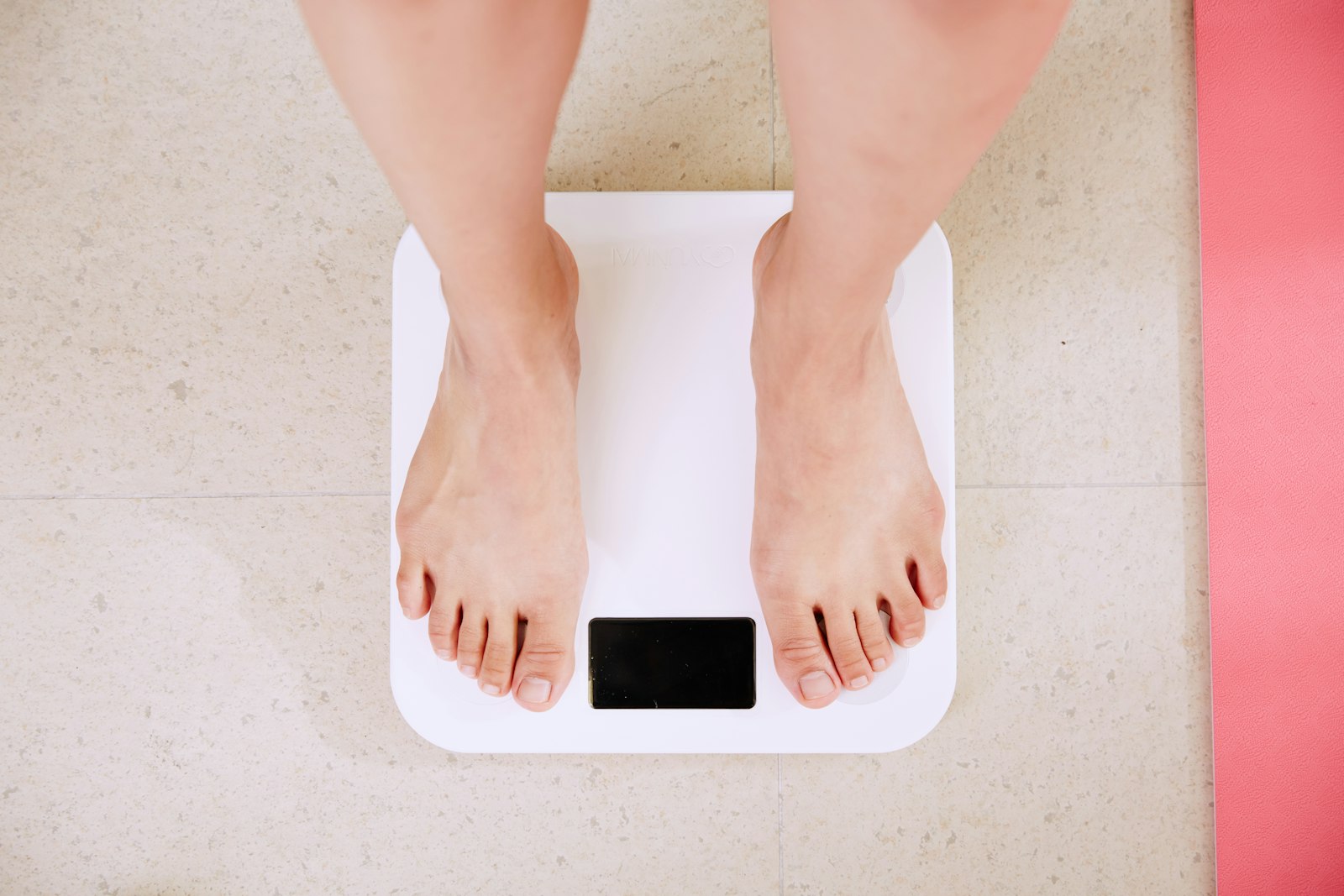
Weight cutting has a real safety record problem in combat sports, and most of the danger comes from doing it fast and alone in the final 24 hours rather than planning it properly over weeks. This covers the safer, gradual approach experienced fighters actually use — not a same-week extreme dehydration method, which we're not going to walk through here because it genuinely isn't safe without direct professional supervision.
This is general information, not medical advice. Weight cutting carries real health risks, especially for anyone new to it. If you're competing, work with an experienced coach or a sports nutritionist rather than relying on a blog post alone, particularly for any cut beyond a small percentage of bodyweight.

Walking Weight vs Fight Weight
"Walking weight" is what you weigh day to day in normal training. "Fight weight" is the number on the scale at weigh-in, which is usually lower — the gap between the two is what a cut needs to cover. Fighters who compete regularly generally keep their walking weight within a manageable range of their fight class year-round, rather than letting it drift far off and needing a dramatic cut every time. The bigger that gap gets, the riskier and less controlled the cut becomes.
The Safer Way: Gradual Weight Management
A controlled cut starts weeks out, not days out. Small, sustainable adjustments to diet and training volume over 6-8 weeks — a modest calorie deficit, dialing in protein and hydration, tightening up food quality — get most fighters most of the way to fight weight through normal bodyfat loss, leaving only a small final adjustment for fight week rather than a dramatic one. This is slower, less dramatic, and far safer than trying to compress the same weight loss into the final 72 hours.
| Timeframe | Focus |
|---|---|
| 6-8 weeks out | Gradual calorie and diet adjustment, monitor weekly weight trend |
| 2-3 weeks out | Fine-tune based on progress, tighten food choices further if needed |
| Fight week | Small, conservative water and sodium adjustments only — not extreme dehydration |
| Post-weigh-in | Structured rehydration and refuelling before the actual fight |
Why We're Not Covering Extreme Water Cutting Here
Aggressive water-cutting methods used at the elite level exist, but they carry genuine risk of dehydration, kidney strain, and impaired performance when done without direct supervision from someone experienced in managing them safely — and the margin for error shrinks the more weight someone tries to pull in the final day. If you're at the level where this is genuinely relevant, it's something to learn directly from your coach or team doctor, not from a gear site's blog post. For the vast majority of amateur and hobbyist fighters, the gradual approach above gets you to fight weight without needing to go anywhere near that territory.

Rehydrating and Refuelling After Weigh-In
Once weigh-in is done, the priority flips entirely to getting back to full strength before the fight. Rehydrate steadily rather than all at once — large volumes of plain water in a short window can cause its own problems. Include electrolytes, not just water, and eat easily digestible carbohydrates to restore glycogen. Most competitions build in enough time between weigh-in and fight time specifically for this process; use all of it rather than rushing.
When to Get Professional Help
If you're regularly struggling to make weight, feeling unusually weak or foggy during a cut, or being pushed toward a cut that feels larger than what gradual adjustment can safely cover, that's a sign to involve a coach or sports nutritionist directly rather than pushing through alone. A cut that requires genuinely dangerous methods to make weight is usually a sign you're fighting in the wrong weight class, not a problem to solve with a more extreme method.
Frequently Asked Questions
How much weight is safe to cut before a fight?
This varies by individual and timeframe, which is exactly why a coach or sports nutritionist should be involved for anything beyond a small percentage of bodyweight. Gradual loss over 6-8 weeks is safer than a large last-minute cut regardless of the specific number.
What's the difference between walking weight and fight weight?
Walking weight is your normal day-to-day weight during training. Fight weight is the lower number you make at weigh-in. Keeping the gap between them small year-round makes each individual cut safer and more manageable.
Is water cutting safe?
Aggressive water-cutting methods carry genuine health risks, including dehydration and kidney strain, and should only be attempted with direct supervision from an experienced coach or medical professional, not attempted alone from general online guidance.
How should I rehydrate after weigh-in?
Rehydrate gradually rather than all at once, include electrolytes alongside water, and eat easily digestible carbohydrates to restore energy before the fight, using the full time window most events allow between weigh-in and competition.
What should I do if I can't safely make weight?
Talk to your coach about moving up a weight class rather than pursuing a more extreme cut. Struggling significantly to make weight is usually a sign of the wrong weight class, not a problem to solve with more aggressive cutting.


