
Cart
0
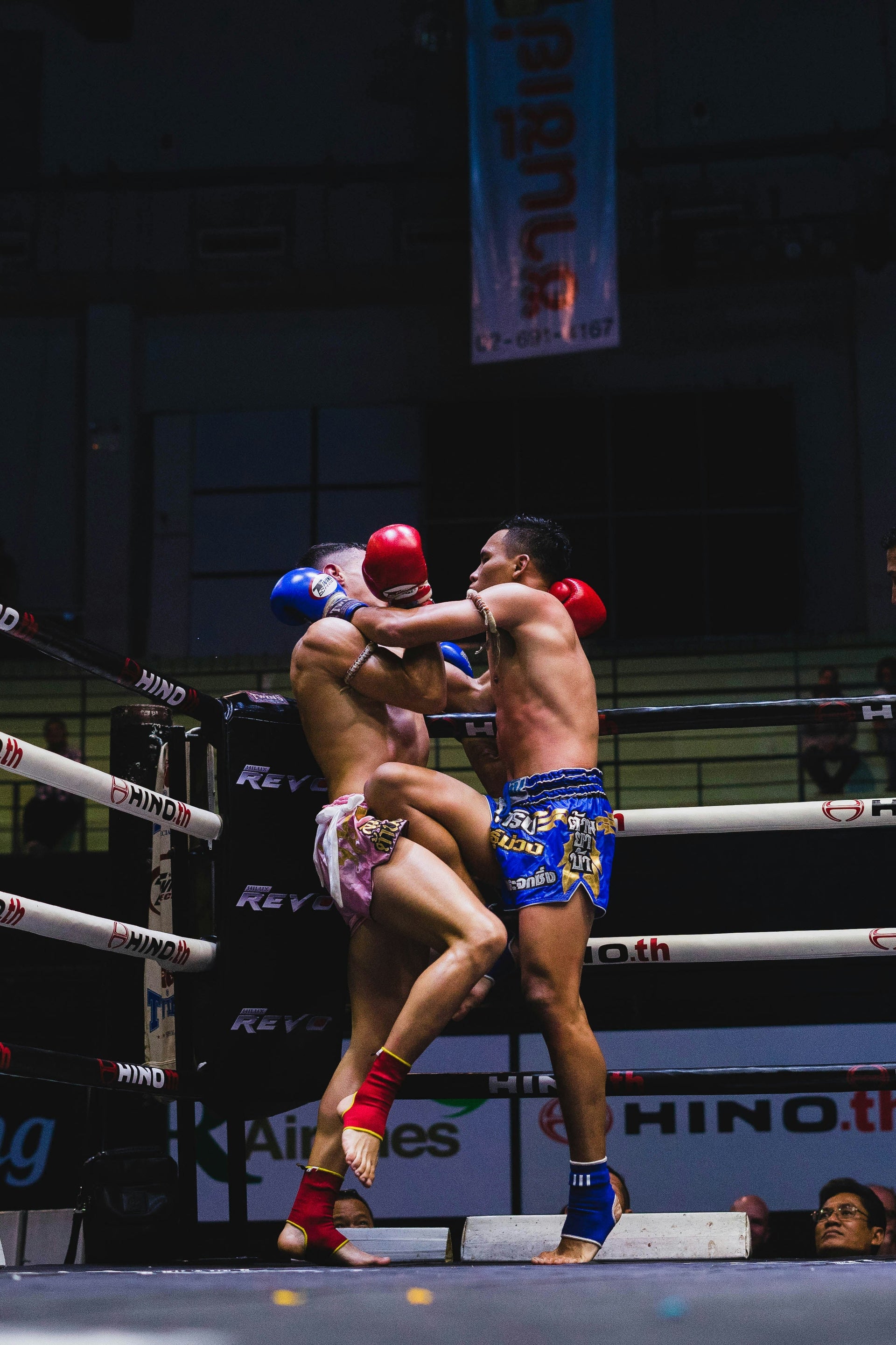
The clinch is where most beginners feel genuinely lost for the first time — too close for the striking they've drilled, no obvious structure to fall back on. It's also one of the most under-taught skills in the sport relative to how often it decides fights. Here's how it actually works.

What the Clinch Actually Is
The clinch is the close-range grappling exchange where fighters control each other's head, neck, and arms to set up knees, off-balance an opponent, or simply survive a dangerous exchange at close range. Unlike punches and kicks, which are primarily about distance and timing, the clinch is a contest of positioning and strength applied correctly — a smaller, technically sound clinch fighter can control a bigger, stronger opponent who doesn't understand the mechanics.
The Basic Clinch Grip
The standard double-collar tie — both hands behind the opponent's neck, elbows in tight to your own body — is the foundational position most clinch exchanges start from. From here, the priority is controlling the head and posture: pulling an opponent's head down and forward off-balances them and opens knee opportunities, while keeping your own posture upright and elbows tight protects against the same being done to you. Beginners typically lose the clinch not from lack of strength but from letting their elbows flare out, which breaks the structure that makes the grip effective.
A Beginner-to-Advanced Progression
| Stage | Focus |
|---|---|
| Beginner | Basic double-collar tie, maintaining posture, staying calm at close range |
| Intermediate | Off-balancing, angle changes, landing knees from control rather than muscling |
| Advanced | Breaking grips, transitioning between ties, using the clinch to set up strikes on the break |
Common Clinch Mistakes
Letting elbows flare out. This is the single most common structural error and it collapses the whole grip's effectiveness, no matter how strong the fighter is.
Standing too upright or leaning too far forward. Both make it easier for an opponent to off-balance you. A slight forward lean with weight over your feet is the more stable posture.
Muscling for knees without off-balancing first. Trying to force a knee through without first breaking an opponent's posture usually just tires you out and telegraphs the attempt.
Panicking and disengaging too early. New fighters often break the clinch the moment it feels uncomfortable, which forfeits any control they'd built and gives it back to whoever's more comfortable staying in.
How to Actually Drill It
Clinch sparring at low intensity — sometimes called "flow clinching" — where both partners work grips, off-balancing, and knee setups without full power, is how most fighters build real clinch skill, since it lets you feel positions and reactions without the chaos of a live exchange. Short, frequent clinch rounds (2-3 minutes) added to a normal training session build this skill far faster than occasional, exhausting full-effort clinch battles.
Frequently Asked Questions
What is the basic clinch grip in Muay Thai?
The double-collar tie, both hands behind the opponent's neck with elbows tucked in tight, is the foundational clinch position most exchanges start from.
Why do beginners struggle in the clinch?
Most commonly because elbows flare out, breaking the structure of the grip, or because they disengage too early out of discomfort.
Is clinch fighting about strength or technique?
Technique dominates. A smaller, technically sound clinch fighter can control a larger, stronger opponent who doesn't understand grip structure and off-balancing.
How should beginners practise the clinch?
Low-intensity flow clinching, where both partners work positions and off-balancing without full power, builds real skill faster and more safely.
What's the biggest structural mistake in the clinch?
Letting the elbows flare outward. Keeping elbows tucked in tight to the body is what makes the double-collar tie effective.
Keep Reading
The 8 Limbs Explained: Every Strike in Muay Thai →
Muay Thai Roundhouse Kick: Complete Technique Breakdown →


