
Cart
0
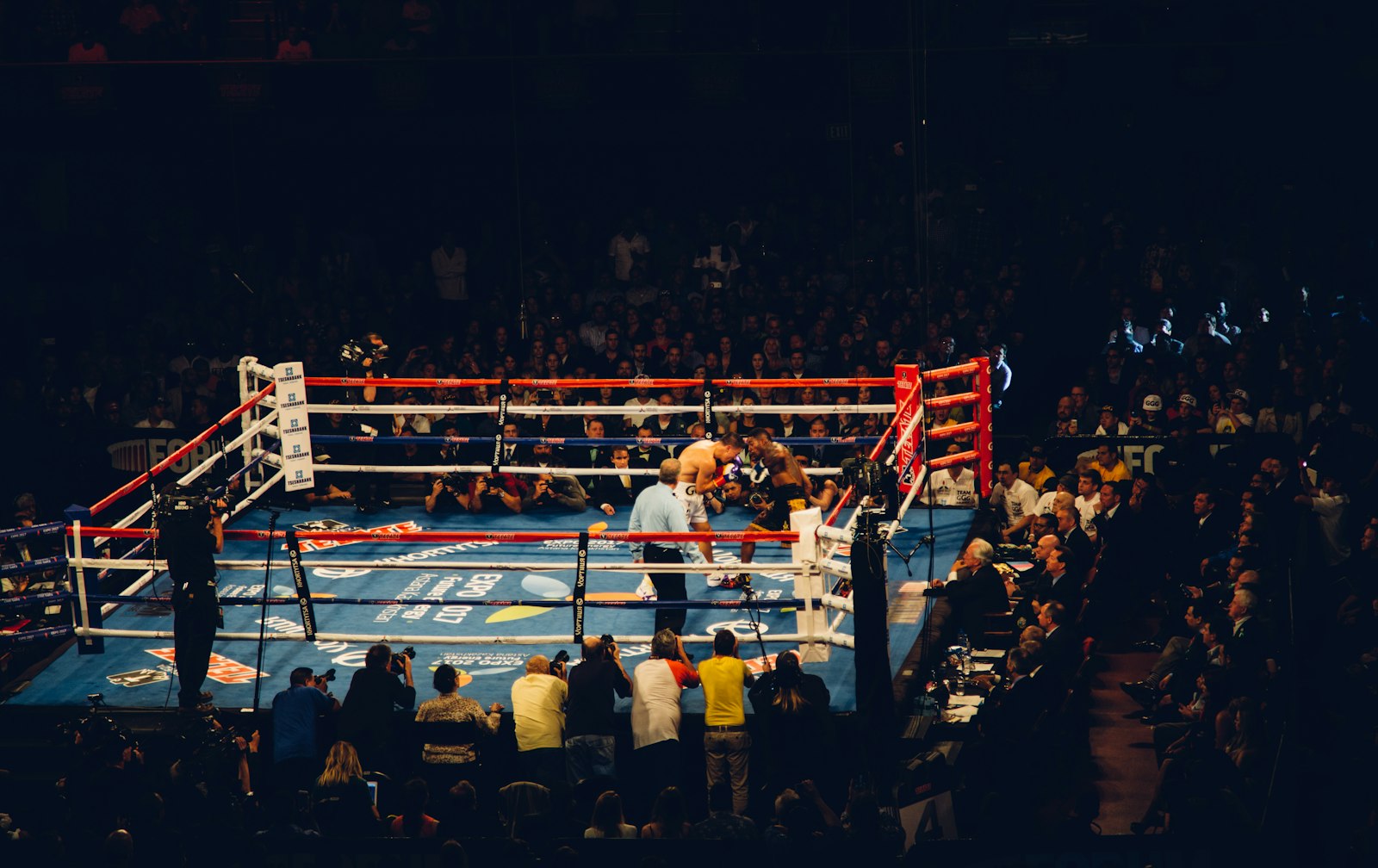
Every serious coach watches footage. Almost no beginner does it properly. Watching a fight and studying a fight are different skills — one is entertainment, the other is how you learn to read range, spot setups, and catch your own habits before an opponent does. This guide covers how coaches actually break down footage, what to track instead of just watching the highlights, and how to build this into a habit that improves your own game, not just your understanding of the sport.

Why Fight Footage Study Matters, Even If You're Not Competing
You can absorb more about range, timing, and setups from twenty focused minutes of film study than from an hour of casually watching fights unfold. Footage lets you pause, rewind, and see the exact moment a technique actually worked instead of just registering that it did. It also removes the thing that makes learning in live sparring so slow: you can't feel your opponent's hesitation or see your own dropped hand while you're the one in the exchange. On film, you can.
The Three Passes: How Coaches Actually Watch Footage
Pass one — full speed, whole picture. Watch the entire round or session through once without pausing. You're building a general sense of rhythm, who's controlling range, and roughly where the significant moments happened, without getting lost in detail yet.
Pass two — slow motion, technical detail. Go back to the moments that stood out and slow them down. What set the strike up? What was the footwork doing a beat before contact? This is where you actually learn technique, not just outcome.
Pass three — pattern tracking. Watch a third time looking specifically for repetition: does one fighter always kick after a jab? Does the other drop their guard when backed to the ropes? Individual moments are interesting; patterns are what you can actually prepare for or fix.

What to Actually Track When You Watch
| Category | What to watch for |
|---|---|
| Range management | Who's closing distance, who's controlling it with the lead hand or teep |
| Setups | What technique or feint happens immediately before a strike lands |
| Tendencies | Repeated habits — a favourite combination, a predictable reaction to pressure |
| Recovery habits | What a fighter does immediately after landing or getting hit — reset, retreat, or follow up |
| Fatigue indicators | Hands dropping, slower footwork, wider stance late in rounds |
Studying Your Own Footage vs Studying Other Fighters
These serve different purposes and it's worth being clear about which one you're doing. Studying elite fighters teaches you concepts and setups — how a technique gets used at a level you're not at yet, ideas to eventually work into your own game. Studying your own footage does something different: it's the only reliable way to see the habits you don't feel in the moment. Most fighters are shocked the first time they watch themselves back — the hand that drops without you noticing, the kick you always telegraph the same way, the tell before you throw your best combination. Sparring feels different from the inside than it looks from the camera, and the gap between those two is exactly what film study closes.

How to Build a Simple Film Study Routine
You don't need production-quality footage to start — a phone propped on a tripod or against a bag stand at the corner of the mats is enough. Film sparring or pad rounds whenever you reasonably can, and review within a day or two while the session is still fresh in memory; footage you watch three weeks later is far less useful because you've lost the physical memory of how it felt to compare against what you see. Pick one or two specific things to work on per review rather than trying to fix everything you notice — a list of ten corrections doesn't get applied in the next session, but "stop dropping my lead hand after the jab" does. Re-watch that one clip again right before your next training session as a reminder, then film again and check whether it actually changed.
This is exactly what Fightflo is built for. Record and review your own sparring and pad work, spot the habits you can't feel in the moment, and track whether they're actually improving session to session. Try Fightflo for free.

Common Mistakes When Studying Footage
Watching passively. Playing footage in the background without taking any notes rarely produces real change — you need to actively name what you're seeing, even just in a phone note, or the insight evaporates by the next session.
Only reviewing highlights. The strikes that landed on you or the exchanges you lost usually teach more than the ones that went well. It's uncomfortable to rewatch a bad exchange, which is exactly why most people skip it and why it's worth doing anyway.
Trying to fix everything at once. A long list of corrections from one review session guarantees none of them stick. Pick the highest-impact issue and work on just that until it's actually different.
Never comparing across time. Reviewing a single session in isolation tells you what happened once. Keeping footage over weeks and months is what lets you actually see whether you're improving, not just guessing.
Frequently Asked Questions
Do I need special equipment to film my sparring?
No. A phone propped on a tripod, a bag stand, or even a stacked gym bag is enough to get started. Video quality matters far less than actually reviewing the footage afterward.
How often should I review footage?
Reviewing within a day or two of a session while it's still fresh in memory is more valuable than a longer but delayed review. Even 10-15 focused minutes per session beats an occasional deep dive weeks later.
What's the difference between watching for entertainment and actually studying?
Entertainment viewing follows the fight in real time for enjoyment. Studying means pausing, rewinding, watching key moments in slow motion, and tracking patterns across the whole session rather than just reacting to individual highlights.
Is film study only useful for advanced fighters?
No. Beginners often benefit the most, since it's the fastest way to see habits and mistakes that aren't yet obvious from the inside of a live round.
How do coaches use fight film to prepare fighters for opponents?
Coaches track an opponent's tendencies and setups across multiple rounds or fights, then build a game plan around exploiting predictable patterns and avoiding the situations where that opponent is strongest.
Keep Reading
Muay Thai Roundhouse Kick: Complete Technique Breakdown →
Try Fightflo for Free →
Best Muay Thai Gyms in Bangkok: A Fighter's Guide →


