
Cart
0
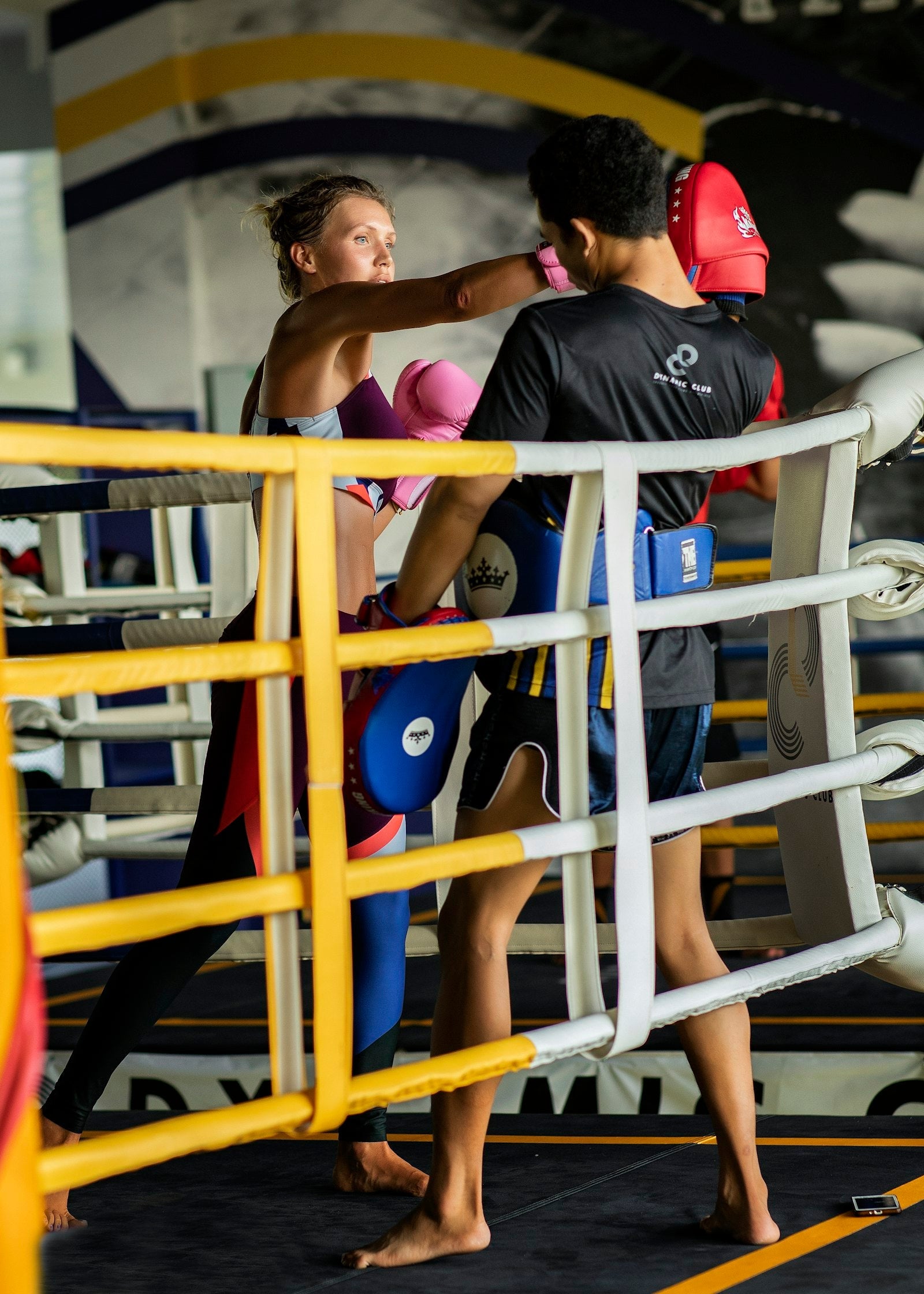
Bangkok has more Muay Thai gyms than any single guide can honestly rank, from open-air camps that have trained world champions for decades to modern studios built around a two-week tourist's schedule. The gym that's "best" depends entirely on what you're there to do: a few drop-in sessions between sightseeing, a structured beginner course, or a live-in camp built around an actual fight. This guide covers how to make that call, what training realistically costs, what to expect walking in on day one, and six gyms worth knowing by name before you land — researched rather than guessed, since gym details change and getting this wrong wastes someone's trip.

Quick Answer: Best Muay Thai Gyms in Bangkok at a Glance
Each pick is explained in full further down the page.
| Category | Gym | Best For | Area |
|---|---|---|---|
| Best Overall / Elite Level | Petchyindee Academy | Serious training with sport-science coaching | Bangkok |
| Best for Foreigners & Beginners | Sor Vorapin | Structured courses built for non-Thai students | Pom Prap Sattru Phai |
| Best for a Live-In Fight Camp | Sitsongpeenong | Champion-level coaching, full accommodation | Bangkok |
| Best Traditional / Legendary Trainer | Jitti Gym | Old-school coaching from a pioneer of foreign fighters | Ratchadaphisek |
| Best for Short Stays | Kru Dam Muay Thai | Central, flexible, easy drop-ins | Central Bangkok |
| Worth the Trip Out | Fairtex Training Center | Iconic camp, full facilities, day trip or live-in | Bangplee (Greater Bangkok) |
How to Choose a Gym in Bangkok
Three questions narrow this down faster than any ranking can:
Day training or live-in? Day training means turning up for sessions and staying wherever you like in the city — more flexible, better if you're combining training with actual tourism. Live-in camps bundle accommodation, meals, and multiple sessions a day into one package, and suit people who want training to be the whole point of the trip rather than a side activity.
Foreigner-focused or traditional? Gyms built around foreign students (English-speaking trainers, structured beginner classes, fixed timetables) are easier to walk into cold. Traditional camps that primarily train Thai fighters can be more rewarding once you have some experience, but expect less hand-holding and sessions run on the gym's rhythm, not a class schedule.
Central or outer-city? Some of the most respected camps in the country sit outside central Bangkok in areas like Bangplee, meaning real travel time each way. That trade-off is worth it for a dedicated training trip, less so if you're trying to fit sessions around a short holiday.

What Training in Bangkok Actually Costs
Prices vary by gym and change over time, so treat these as a starting point to budget from rather than a quote — confirm current rates directly with any gym before you commit.
| Training type | Typical range | Notes |
|---|---|---|
| Single drop-in session | ~500–800 THB | Most central and foreigner-focused gyms |
| Multi-session package | Discounted per session | Buying 10+ sessions upfront is standard practice |
| Live-in homestay (per day, all-in) | ~1,300–1,500 THB | Includes accommodation and typically two meals |
| Private one-on-one session | Significantly higher than group rate | Worth it for technique correction, not a default choice |
Gym Etiquette & What to Expect on Day One
Muay Thai carries real cultural weight in Thailand, and gyms notice who respects that. Remove your shoes before stepping onto the ring canvas or any padded training area — this one is near-universal and gets noticed immediately if missed. Wai (the prayer-hands bow) to trainers as a basic greeting of respect, and never step over another person's legs while they're seated on the mats; walk around instead. A typical session runs shadowboxing and skipping to warm up, pad rounds with a trainer, bag work, and often some conditioning or clinch work to close — expect trainers to correct technique hands-on, which is normal, not a sign you're doing badly. Bring your own handwraps and, if you're not renting, your own gloves; most gyms have loaner gloves but not always in every size.

The Best Muay Thai Gyms in Bangkok, By Category
Best Overall / Elite Level
Editor's Pick
Petchyindee Academy
Petchyindee is one of the only Muay Thai gyms in Thailand to build its coaching around applied sport science rather than tradition alone, layering modern training methodology onto a genuinely elite fighter pipeline. If you want serious, structured coaching rather than a tourist-friendly class, this is the level to aim for.
Best for Foreigners & Beginners
Editor's Pick
Sor Vorapin
Running for over three decades specifically around teaching non-Thai students, Sor Vorapin has a systematic approach that removes the guesswork of walking into a traditional camp with zero experience. A homestay option with private accommodation and meals makes it a genuinely easy first gym to commit to.
Best for a Live-In Fight Camp
Editor's Pick
Sitsongpeenong
Headed by Jakkrit Sitsongpeenong, a trainer with over two decades of experience and more than ten champions produced, this is a full training destination rather than a drop-in gym — complete facilities and accommodation for anyone building a trip around genuine fight preparation.
Best Traditional / Legendary Trainer
Editor's Pick
Jitti Gym
Master Jitti Damriram was among the first Thai trainers to take on foreign fighters seriously, later teaching in Japan, France, Germany, Switzerland, and England. Training here is old-school and hands-picked, not a franchised class experience — expect a more traditional camp atmosphere than the foreigner-focused gyms.
Best for Short Stays
Editor's Pick
Kru Dam Muay Thai
Central location, easy public transport access, and flexible scheduling make this the practical choice if you've got a handful of days in the city and want to train without building your whole itinerary around it. Group sessions, private lessons, and short fight-camp structures are all available.
Worth the Trip Out
Editor's Pick
Fairtex Training Center
Technically outside the city proper in Bangplee, this is still one of the most recognised camps in the sport — open since 1971 and behind champions including Yodsanklai Fairtex and Neungsiam Fairtex. Worth the travel time for a dedicated training trip rather than a quick session between other plans.

Comparing gyms before you land? Our Fightlore+ Gym Finder lets you browse and compare Bangkok gyms — schedules, focus, and location — in one place, so you're not piecing this together from five different tabs the night before you fly.
Frequently Asked Questions
Do I need experience to train Muay Thai in Bangkok?
No. Most gyms, especially foreigner-focused ones like Sor Vorapin or Kru Dam Muay Thai, run classes structured for complete beginners. Traditional camps that primarily train Thai fighters are a better fit once you already have some experience.
How much does Muay Thai training cost in Bangkok?
A single drop-in session typically runs 500-800 THB at central and foreigner-focused gyms, with multi-session packages discounted per session. Live-in homestay programmes including accommodation and meals are commonly 1,300-1,500 THB per day. Always confirm current pricing directly with the gym.
Should I do day training or a live-in camp?
Day training suits shorter trips or anyone combining training with general tourism, since you choose your own accommodation and schedule. Live-in camps suit dedicated training trips where multiple sessions a day and full immersion are the point of the visit.
Do I need a special visa to train Muay Thai in Bangkok?
Most short-term visitors train under a standard tourist visa or visa exemption without issue. If you plan to compete, stay long-term, or train at a professional camp full-time, check current Thai visa requirements before you travel, as rules change and this guide isn't a substitute for official guidance.
What should I bring to my first session?
Handwraps are worth bringing yourself even if a gym has loaners, along with your own gloves if you have a preferred size and weight. Lightweight training clothes suited to Bangkok's heat and humidity, and a refillable water bottle, cover the rest.
Keep Reading
Best Muay Thai Gloves: The Complete Buying Guide →
A Comprehensive Guide to Training Muay Thai in Thailand →
Compare Gyms on Fightlore+ Gym Finder →


