
Cart
0
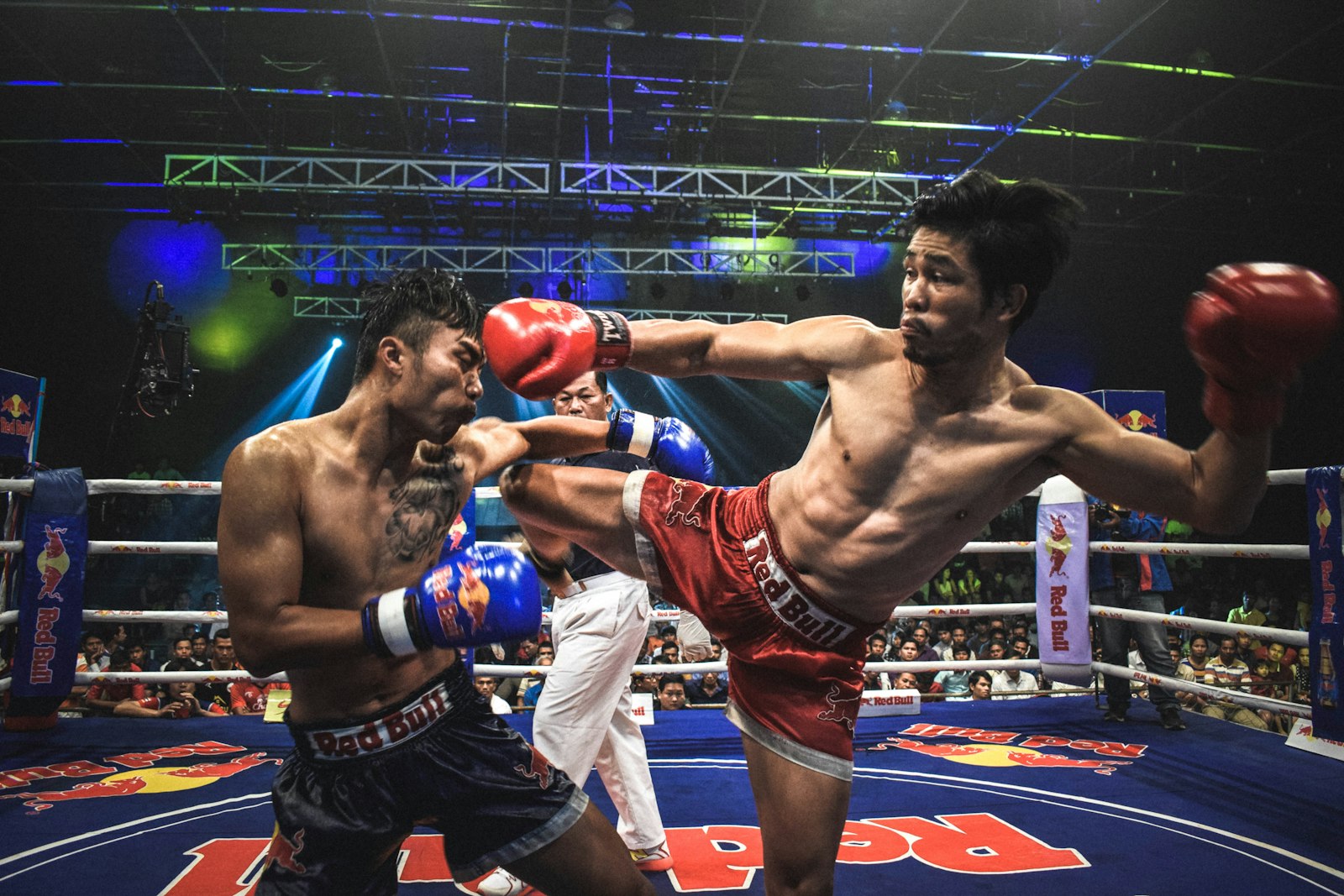
Shin guards are the one piece of Muay Thai kit where "it'll do" actually costs you rounds, not just comfort. Undersized padding means you feel every checked kick in your own shin bone; the wrong coverage type slows your footwork; a loose strap system shifts mid-round and leaves a gap right where your partner's shin is about to land. This guide covers how coverage type, padding, and material actually affect protection, how to size a pair correctly, and which shin guards in our range earn their category — sourced the same way as the rest of our gear, direct from manufacturers rather than through a reseller layer.

Quick Answer: Best Muay Thai Shin Guards at a Glance
If you already know your use case, start here. Each pick is explained in full further down the page.
| Category | Shin Guard | Price | Sizes |
|---|---|---|---|
| Best Overall | Fairtex Ultimate Shin Pads (SP8) | from £141.99 | S–XL |
| Best for Heavy Sparring | Windy [LP3] Shin Guards | from £134.00 | 10–16 oz sizing |
| Best Value | Fairtex In-Step Double Padded Protector (SP3) | from £119.00 | S–XL |
| Best Budget / Lightweight | Fairtex Elastic Shin Pads | from £54.99 | Free size |
| Best for Kids | Fairtex Shin Pads for Kids | from £124.99 | 8–12 yrs |
| Best Alternative Pick | Arwut [SG3] Shin Guards | from £134.99 | S–XL |
Full-Coverage vs Ankle-Strap vs Elastic: Which Type Do You Need?
Before padding density or material, the biggest decision is coverage type, because it changes how the shin guard behaves on your foot, not just your shin.
Full in-step guards wrap the shin and continue over the top of the foot in one connected piece, usually with an elastic loop or strap under the arch. This is the standard choice for sparring and clinch work, because it protects the vulnerable foot bones during clinch knees and checked kicks without you having to think about it. The trade-off is a very slight reduction in foot flexibility compared to going bare-footed.
Ankle-strap (detachable in-step) guards cover the shin and buckle at the ankle, leaving the foot itself free or lightly covered. Fighters who prioritise footwork speed and a more "bare" feel for teeps and switch kicks often prefer this style, accepting slightly less foot protection in exchange.
Elastic slip-on pads are a single elastic sleeve with padding sewn in, no straps at all. They're the fastest to put on and take off, which makes them the right call for light bag work or pad rounds where you're not being kicked back, but they shift more under real sparring contact than a strapped design.
If you only own one pair and you spar regularly, full in-step coverage is the safer default. Everything else is a refinement once you know how you actually train.

Materials Explained: Leather vs PU vs Neoprene
Shin guards take a different kind of abuse than gloves — less flexing, more direct repeated impact — so the material priorities shift slightly.
| Material | Durability | Feel | Price band | Best for |
|---|---|---|---|---|
| Genuine leather | 3–5+ years, daily use | Firmer, holds shape | £££ | Regular sparring, long-term value |
| PU / synthetic leather | 1–2 years | Softer out of the box | ££ | Beginners, humid climates |
| Neoprene (lining/rear panel) | Wears with washing | Stretch fit, breathable | — | Comfort against skin, not outer shell |
Note that neoprene is almost never the outer shell material on a serious shin guard — it's the lining against your skin, paired with a leather or PU front panel that actually absorbs impact. When you see "neoprene lining" on a spec sheet, that's describing comfort and breathability, not the protection layer itself.
Anatomy: What Actually Affects Protection
Four things separate a shin guard that performs from one that just looks padded:
Padding density and layering. A single block of dense foam protects but transmits shock hard on contact; layered foam (a firmer outer layer over a softer inner layer) absorbs impact progressively, which is noticeably more comfortable over a full sparring session.
Foot and ankle coverage. Look at how far the padding extends toward the ankle bone and across the top of the foot — this is where most beginners get caught out, because a shin guard that looks well-padded on the shin itself can leave the ankle exposed to a low check kick.
Strap system. Two wide straps beat three narrow ones for staying put under real contact; check that straps sit above and below the calf muscle rather than directly over it, or they'll loosen as the muscle flexes.
Curved, ergonomic shaping. A shin guard molded to the natural curve of the shin bone stays in place through kicks and footwork far better than a flat pad that was designed to look good on a shelf rather than move with a leg.
Sizing Guide: How to Measure for Shin Guards
Shin guard sizing is based on shin length, measured from just below the kneecap to just above the ankle bone, down the front of the shin.
| Shin length | Typical size |
|---|---|
| Under 13 in / 33 cm | S |
| 13–14.5 in / 33–37 cm | M |
| 14.5–16 in / 37–41 cm | L |
| 16 in+ / 41 cm+ | XL |
A correctly sized shin guard covers from just below the kneecap to the top of the foot without the top edge digging into the knee joint when you bend your leg to kick. If you're between sizes, size up for sparring (a slightly longer guard still protects if it shifts) and size down for lighter pad work where fit and mobility matter more than maximum coverage.
The Best Muay Thai Shin Guards, By Category
Best Overall

Editor's Pick
Fairtex Ultimate Shin Pads (SP8)
Fairtex's patented bridge system connects the shin and foot protector at a hinge rather than a solid piece, which keeps full in-step coverage without sacrificing the natural bend of your foot on a teep or roundhouse. It's the pair we'd tell most fighters to start and stay with.
Shop the Fairtex Ultimate Shin Pads →Best for Heavy Sparring

Editor's Pick
Windy [LP3] Shin Guards
A dual-layer core — firmer rubber outer over a softer latex inner — gives noticeably better shock absorption on hard leg-kick exchanges than a single-density foam pad. Reach for these once pad rounds turn into genuine sparring rounds.
Shop the Windy LP3 Shin Guards →Best Value

Editor's Pick
Fairtex In-Step Double Padded Protector (SP3)
The long-running standard Fairtex shape at a lower price than the SP8, with the same contoured fit and adjustable hook-and-loop closure. If you want genuine leather without paying for the bridge-hinge upgrade, this is the pair that makes the case for skipping the premium tier.
Shop the Fairtex SP3 Shin Pads →Best Budget / Lightweight

Editor's Pick
Fairtex Elastic Shin Pads
No straps, on in seconds, and a fraction of the price of a strapped pair — the right call for light bag work, home training, or as a spare pair to keep in your bag. Not built for hard sparring; treat these as a convenience pair, not your primary set.
Shop the Fairtex Elastic Shin Pads →Best for Kids

Editor's Pick
Fairtex Shin Pads for Kids
A properly scaled-down version of Fairtex's SP3 shape rather than an adult pad with shorter straps — the padding density and coverage are sized for a child's shin, not just the strap length. Worth the extra cost over a generic "one size fits kids" guard.
Shop the Fairtex Kids Shin Pads →Best Alternative Pick

Editor's Pick
Arwut [SG3] Shin Guards
If you've already got Fairtex gloves and want to try a different Thai brand's fit and padding profile, Arwut's SG3 is a solid, competitively priced full-coverage option built to the same general spec as the bigger names.
Shop the Arwut SG3 Shin Guards →
How Tight Should Shin Guards Be?
Shin guards don't need a break-in period the way leather gloves do, but they do need a proper fit check before your first hard session. Straps should be snug enough that the guard doesn't rotate around your shin when you twist your foot, but not so tight that you lose circulation or feel numbness in your foot after ten minutes — if that happens, loosen the lower strap first, since that's the one most likely to be over-tightened. Do a few shadow kicks and a couple of clinch-position knee lifts before sparring in a new pair; if the guard slides down or rotates during those movements, it's either sized wrong or the straps need re-adjusting, not just tightening further.

Caring for Your Shin Guards So They Actually Last
Shin guards spend an entire session directly against sweaty skin, which makes them the fastest piece of kit in your bag to start smelling if you don't manage it. Wipe the interior down with an antibacterial spray or a barely damp cloth after every session and let them air out fully — never store them zipped in a closed bag while still damp. For leather shells, the same rules as gloves apply: condition periodically, keep away from direct heat and sun, and never machine wash. Check the straps every few months; a Velcro closure that's lost its grip is the single most common reason a shin guard starts sliding mid-round, and it's a five-minute fix to replace before it becomes a safety issue rather than an annoyance.
With regular sparring (2–4 sessions a week involving contact), expect a genuine leather pair to last 3–5 years and a PU/synthetic pair 1–2 years before the padding compresses enough to notice.
Frequently Asked Questions
What size shin guards do I need?
Shin guard size is based on shin length from just below the kneecap to just above the ankle: under 13in/33cm is typically Small, 13-14.5in/33-37cm Medium, 14.5-16in/37-41cm Large, and 16in+/41cm+ Extra Large.
Should I get shin guards with foot coverage?
For sparring and clinch work, full in-step coverage is the safer default because it protects the foot bones during checked kicks and knees. Ankle-strap styles that leave the foot free suit fighters who prioritise footwork speed over maximum foot protection.
How tight should Muay Thai shin guards be?
Snug enough that the guard doesn't rotate around the shin during kicks or footwork, but loose enough that you don't feel numbness in the foot after ten minutes of wear. Adjust the lower strap first if you feel any loss of circulation.
Are leather or synthetic shin guards better for beginners?
Synthetic or PU shin guards are a reasonable, lower-cost starting point for beginners, since they need no break-in and handle humid conditions well. Genuine leather lasts significantly longer under regular sparring and is worth the upgrade once training becomes consistent.
How long do Muay Thai shin guards last?
With 2-4 contact sessions a week, genuine leather shin guards typically last 3-5 years and PU/synthetic pairs 1-2 years, depending on how well the straps and padding are maintained.
Keep Reading
Best Muay Thai Gloves: The Complete Buying Guide →
Shop the full Muay Thai gloves range →
A Comprehensive Guide to Training Muay Thai in Thailand →


