
Cart
0
Shadowboxing already works — it's how fighters have drilled technique without a partner for as long as the sport has existed. Filming it changes what you can actually learn from it, turning a warm-up routine into a genuine self-correction tool. Here's how to use video to shadowbox smarter, not just longer.

Why Filming Shadowboxing Beats a Mirror
A mirror only shows you the moment you're looking at it, and most fighters glance at themselves between combinations rather than during them — exactly when bad habits actually happen. Video captures the whole round, which means you can review your guard position mid-combination, your footwork on the exit, and your balance on a kick, none of which you can watch in real time while you're the one performing them. It's the same principle as reviewing sparring footage, just applied to solo work.
Setting Up a Simple Shadowboxing Camera
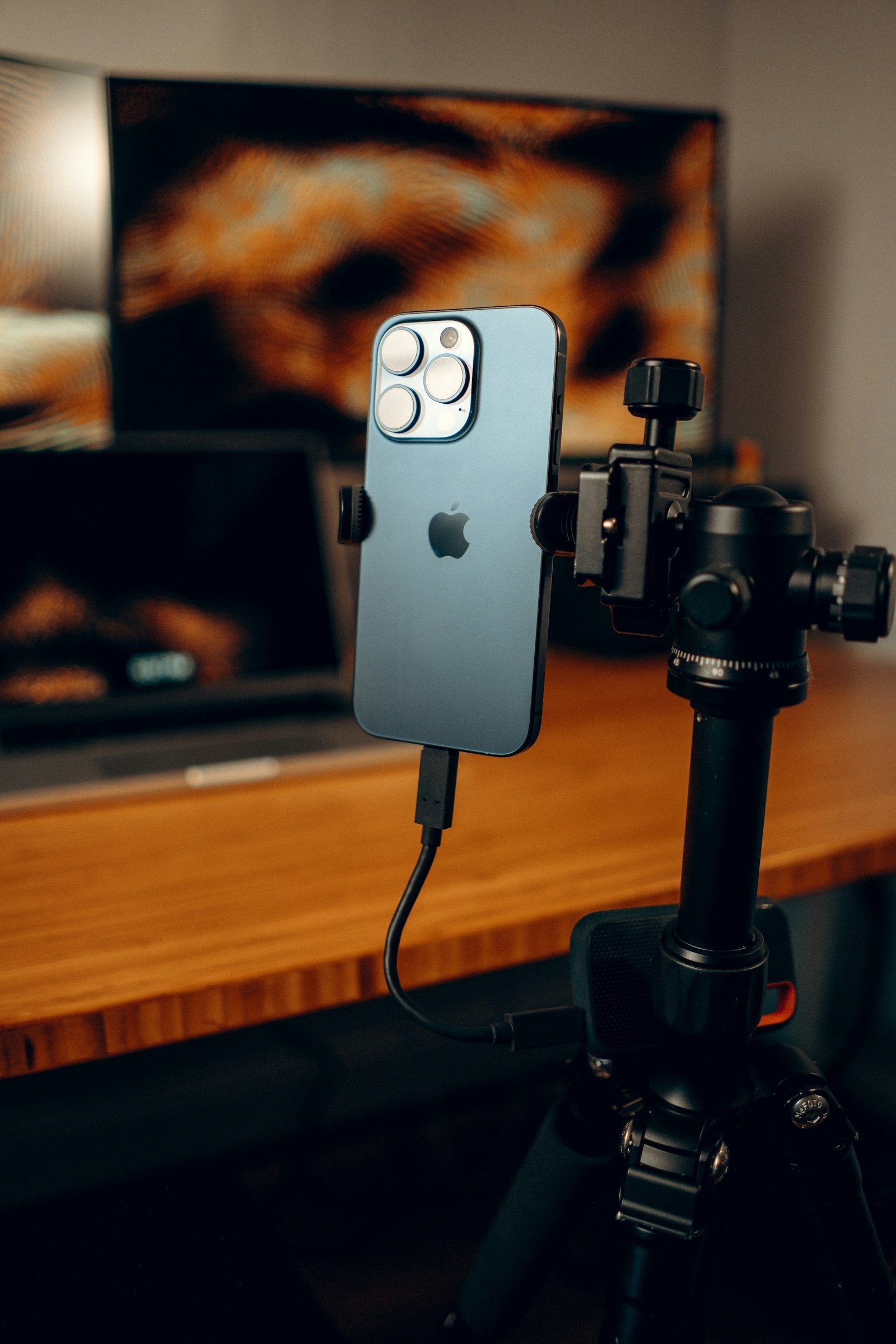
- Prop your phone on a tripod, a shelf, or against a stack of gym bags at roughly chest height.
- Position it far enough back to capture your full body through a complete combination, including footwork.
- Film in landscape orientation for a wider field of view across lateral movement.
- Do a normal round — don't perform for the camera, or you'll review a version of your technique you don't actually use in sparring.

What to Actually Check When You Review It
| Area | What to look for |
|---|---|
| Guard position | Do your hands drift down between combinations, not just during them? |
| Balance | Do you stay upright and centred through kicks, or lean and wobble on the follow-through? |
| Footwork | Are you resetting to a stable stance after combinations, or drifting square? |
| Head movement | Are you actually slipping and rolling, or just throwing strikes standing flat-footed? |
| Rhythm | Is every combination thrown at the same pace, or are you varying tempo the way you would against a real opponent? |
How Often to Film It
You don't need to film every round of every session — that generates more footage than you'll realistically review and turns a training aid into a chore. Filming one focused round at the start of a week and comparing it to one at the end gives you a genuine before-and-after rather than an overwhelming archive. Pick one specific thing to work on based on what you see, drill it deliberately for the week, then film again to check whether it actually changed.
This is easier to stay consistent with inside Fightflo, where your shadowboxing and sparring footage live in one place instead of scattered across your camera roll. Try Fightflo for free.
Frequently Asked Questions
Is filming shadowboxing actually useful, or just filming sparring?
Both are useful for different reasons. Sparring footage shows how you perform under pressure against a live opponent; shadowboxing footage isolates your own mechanics without an opponent's reactions complicating what you're seeing.
How should I set up my phone to film shadowboxing?
Prop it on a tripod or stable surface at roughly chest height, landscape orientation, far enough back to capture your full body and footwork through a complete combination.
How often should I film my shadowboxing?
Once at the start of a training week and once at the end is usually enough to see genuine change, without generating more footage than you'll actually review.
What should I look for when reviewing shadowboxing footage?
Guard position between combinations, balance through kicks, footwork resets, whether head movement is genuine or just implied, and whether your rhythm varies or stays flat and predictable.
Should I try to look good for the camera when filming?
No. Perform your normal round rather than a cleaned-up version, or you'll be reviewing technique you don't actually use in sparring, which defeats the purpose.
Keep Reading
How to Study Fight Footage Like a Coach →
Try Fightflo for Free →


